
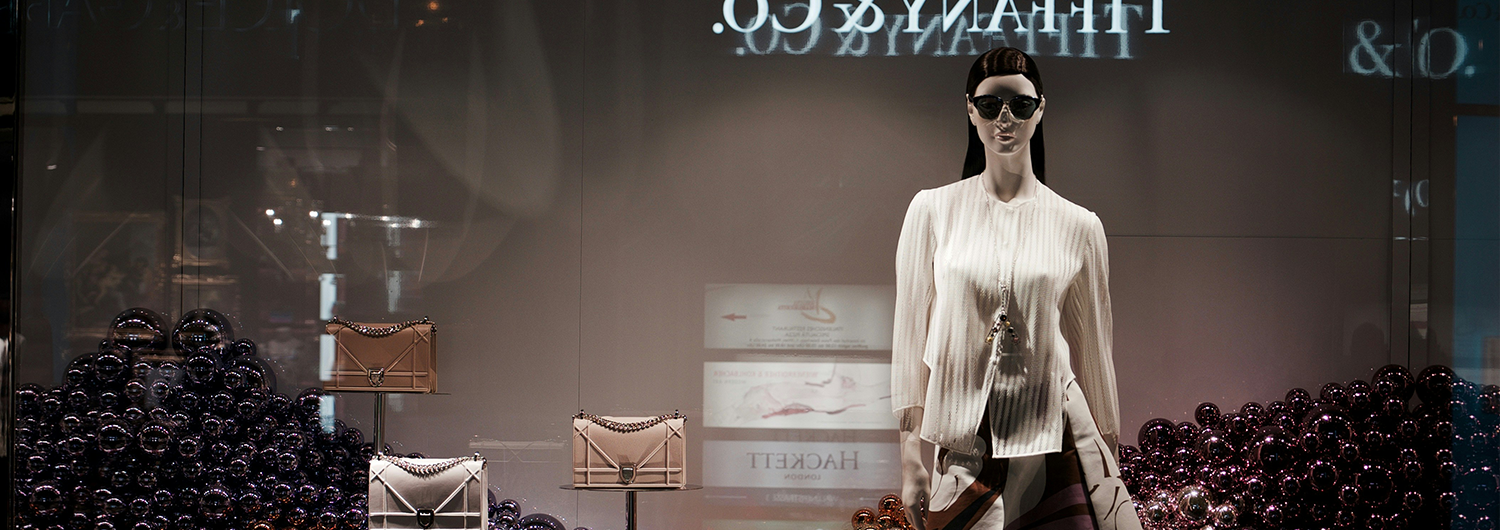
Are you unintentionally losing sales because your store environment fails to clearly communicate your brand identity ? In retail, perception forms within seconds. Long before customers check a price tag, they have already evaluated your credibility, product quality, and positioning. Strategic visual merchandising transforms a simple store layout into a controlled brand narrative — one that influences trust, perceived value, and ultimately purchasing behavior. Studies in retail psychology consistently show that environment-driven cues significantly influence dwell time, conversion rate, and basket size. This guide explores how color strategy, material selection, lighting hierarchy, and spatial flow shape brand perception and drive measurable results.
Visual Merchandising and the Psychology of First Impressions
Customers begin forming opinions the moment they transition from the street into your physical space. That first sensory impact sets the tone for the entire experience.
How Immediate Visual Cues Define Brand Authority
Before touching a product, customers evaluate the environment. Clean spatial organization signals control and confidence. Minimalism suggests exclusivity. Symmetry and visual clarity communicate quality. By contrast, densely packed shelving communicates volume and price sensitivity — a different but intentional positioning strategy.
The key insight : your layout communicates your pricing power before you do.
Authority in retail is not about expensive marble or oversized fixtures. It is about intentional presentation. Precision signals confidence. Disorder signals compromise. First impressions are not temporary. They act as filters through which every subsequent product is evaluated.
The Impact of POP Displays on Perceived Value
POP displays function as silent sales advisors. They influence the critical transition between browsing and buying.
Four factors directly impact perceived product reliability:
• Structural stability
• Graphic execution quality
• Cohesion with the main shelf design
• Ease of product interaction
If a display feels unstable, the product inside subconsciously inherits that fragility. If printing appears low-grade, perceived product quality drops accordingly.
High-end finishes, tactile precision, and structural solidity reinforce trust. In premium environments especially, display quality must match product positioning.
Poor execution does more than look inexpensive — it erodes margin by weakening perceived value.
3 Ways Color and Light Influence Shopper Behavior
Beyond structure and materials, color and light shape emotional response.
Using Color Strategy to Trigger Action
Color operates at a pre-rational level. Red increases urgency and accelerates decision-making in promotional zones. Blue reinforces trust, making it effective for technology and high-consideration products. Green communicates sustainability and health positioning.
Black strengthens luxury perception when used with restraint. Consistency is critical. Brand color inconsistency weakens recognition and subtly reduces trust. However, overuse of high-intensity tones can create stress. Effective color strategy nudges behavior rather than overwhelming it.
Directing Attention Through Lighting and Contrast
Lighting establishes hierarchy. The eye naturally moves toward the brightest focal point. Strategic spotlighting allows retailers to guide attention toward high-margin categories or new launches. Accent walls, controlled contrast, and layered lighting create depth and storytelling.
Soft shadowing creates intimacy. Sharper lighting profiles create modernity and edge. Lighting is not decorative. It is directional.
Does Your Store Layout Reflect Your Brand Values?
A brand promise must be physically embodied.
Aligning Materials With Brand Identity
Materials communicate positioning instantly.
Matte finishes convey refined restraint.
Glossy surfaces often signal mass production.
Solid wood evokes heritage and authenticity.
Brushed metal suggests precision and innovation.
Examples of material alignment:
• Natural wood for sustainability-driven brands
• Brushed metal for technology positioning
• Textured surfaces for artisanal authenticity
When physical materials contradict brand messaging, credibility suffers. Consistency across surfaces, fixtures, and displays reinforces positioning at every touchpoint.
Building Trust Through Sensory Coherence
Texture, weight, and spatial density shape subconscious trust. Heavier fixtures suggest permanence. Lightweight, unstable elements feel temporary. Tactile engagement strengthens memory encoding. A distinct scent, flooring texture, or acoustic environment can become part of brand recall. Retail is a multi-sensory environment. Brands that coordinate visual, tactile, and spatial cues create deeper emotional anchors.
Strategic Placement for Maximum Engagement
Layout influences movement. Movement influences purchasing behavior.
Mastering Retail Flow
The decompression zone at the entrance allows customers to adjust. High-priority items should not be placed here. The well-known “eye-level is buy-level” principle remains effective because it aligns with natural sightlines. High-margin products positioned between 1.4 and 1.6 meters maximize visibility.
An optimized flow typically follows :
- Decompression zone
- Natural right-hand turn
- Focal activation zones
- Transaction point
When you design the path intentionally, you reduce friction and increase controlled exposure.
Leveraging Motion and Dimension
Movement interrupts autopilot behavior. Digital screens, subtle kinetic elements, or dimensional fixtures extending into aisles capture peripheral attention and increase dwell time.
Longer dwell time correlates strongly with higher average spend. Comfortable micro-rest areas near premium zones can support this effect. Screens should demonstrate product usage in context. Visualization reduces cognitive effort and accelerates decision-making. Motion, when strategic, sustains engagement.
Conclusion
Visual merchandising is not decoration. It is commercial architecture. When color psychology, material coherence, lighting hierarchy, and strategic flow are aligned, the retail space becomes a silent but persuasive sales force. Audit your store environment critically. Every sensory cue either strengthens or weakens your authority. In a competitive retail landscape, disciplined visual strategy is not optional — it is a margin driver !